
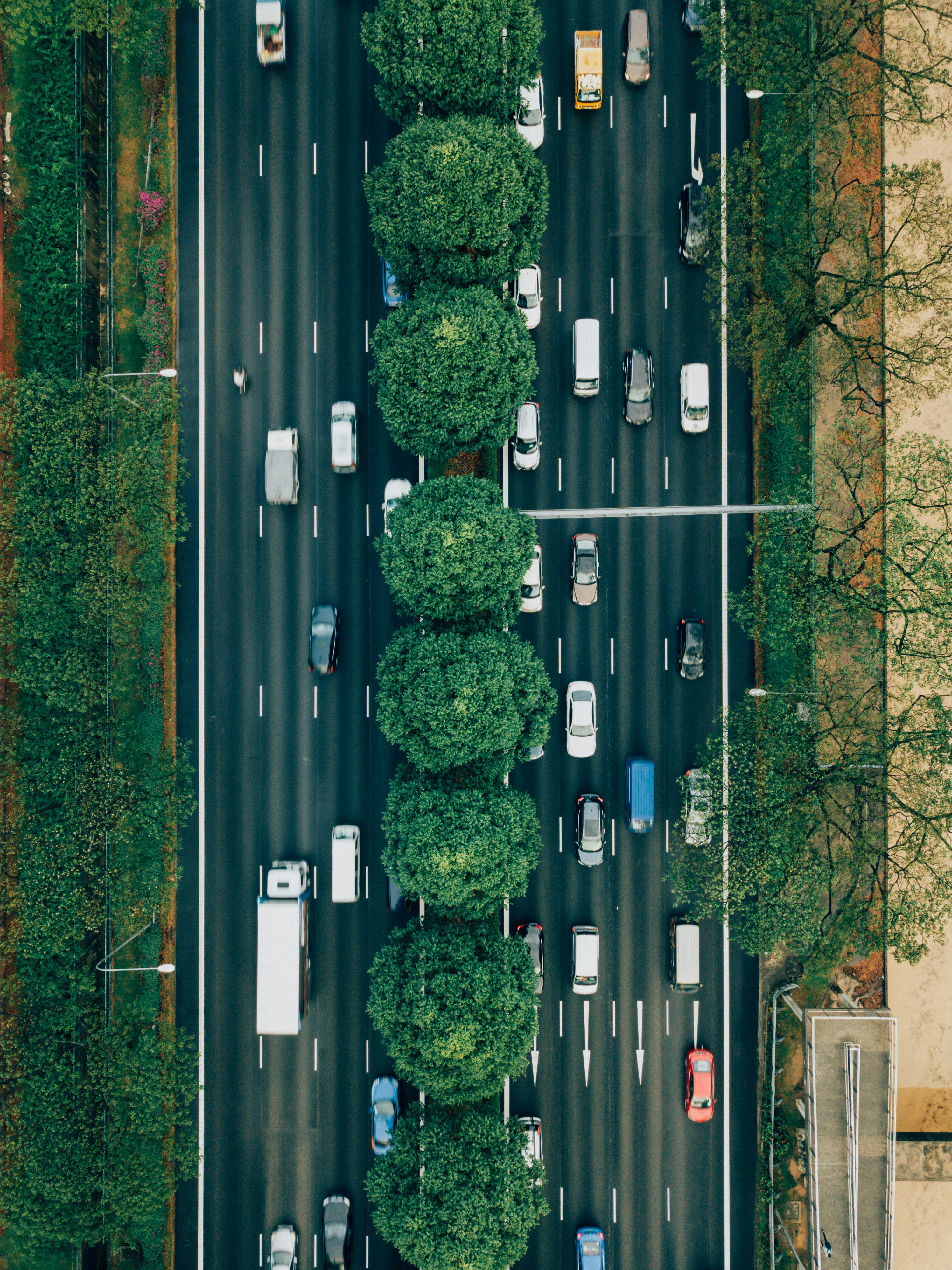
When Uber and Lyft launched, the pitch was simple: fewer people would own cars, streets would clear up, and cities would breathe easier. A decade later, the data tells a different story. Every major peer-reviewed study finds that ride-hailing increased vehicle-miles traveled, worsened congestion, and raised emissions. The promise didn’t just fall short — it went in the opposite direction.
Did ride-hailing reduce car ownership?
No. A 2021 MIT study analyzing data from major U.S. cities found no significant reduction in private car ownership after the arrival of ride-hailing platforms. Instead, congestion intensity rose by 1% and congestion duration increased by 4.8%. More ride-hail vehicles on the road didn’t replace personal cars — they added to the total vehicle count.
The assumption was that easy access to on-demand rides would let people give up their second car, or skip buying one altogether. It didn’t happen. Ownership stayed flat while ride-hail trips stacked on top of existing traffic.
How much do ride-hail cars drive empty?
About 41% of all ride-hailing miles have no passenger in the car. Researchers Henao and Marshall measured this directly in Denver and found that 40.8% of ride-hailing vehicle-miles are deadheading — the car driving to pick someone up or repositioning between trips. That translates to 83.5% more vehicle-miles traveled compared to the trips ride-hailing replaced.
This isn’t unique to human drivers. Waymo’s autonomous vehicles in San Francisco deadhead at 44.3% according to 2025 CPUC data. Removing the driver doesn’t fix the empty-miles problem — the business model creates it. Any service that dispatches a car from somewhere else to pick you up will generate deadhead miles by design.
Does ride-hailing make pollution worse?
Yes, and by a wide margin. A joint analysis by the Union of Concerned Scientists and Transport & Environment found that a ride-hailing trip produces 69% more climate pollution than the trip it displaces. The reasons stack: deadheading, cruising between fares, and pulling riders off lower-emission modes like transit and cycling.
A separate UCS report put the non-pooled ride-hailing emissions premium at 47% higher than the average private vehicle trip. Even when the car is the same model, the way ride-hailing uses it — empty repositioning, idling, longer routes — makes every mile dirtier.
Did pooled rides help?
Not nearly enough. Vehicle-miles traveled by ride-hailing roughly doubled in every major city studied. Schaller’s 2021 analysis found Chicago saw a 97% increase, New York City 114%, San Francisco 118%, and Boston 157%. These aren’t marginal changes — they represent a near-complete doubling of vehicle traffic attributable to ride-hailing in those markets.
Part of the problem is what ride-hailing replaces. Roughly half of all ride-hailing trips substitute for walking, cycling, or public transit — modes that produce little to no congestion. Pooled rides reduce the per-passenger impact slightly, but they don’t eliminate the deadheading, and adoption of pooling options has consistently stayed low.
What actually reduces cars on the road?
Real carpooling — where the driver was already going somewhere. This distinction matters. A ride-hail driver’s trip begins and ends with you. A carpool driver’s trip exists with or without you. That means zero deadheading, because the driver has their own destination. No empty repositioning miles. No cruising for the next fare.
A 2024 study published in Nature confirmed what the math predicts: shared rides in personally-owned vehicles heading to existing destinations produce measurable reductions in emissions and vehicle-miles. The key variable isn’t the app or the algorithm — it’s whether the driver was already on the road.
This is the model Rydze is built on. Drivers enter their destination like any navigation app, and riders heading the same way get matched in real time. No one is dispatched. No car is summoned. The ride already exists — it just has empty seats.
The contribution is a flat $3.75 — the same as a Montreal transit fare. No surge pricing, no per-kilometer calculation, no variable rates based on demand. Drivers receive $3.00 per rider for a trip they were already making.
The data is clear: dispatching cars to people adds traffic. Filling seats in cars that are already moving removes it. The difference isn’t branding. It’s physics.